

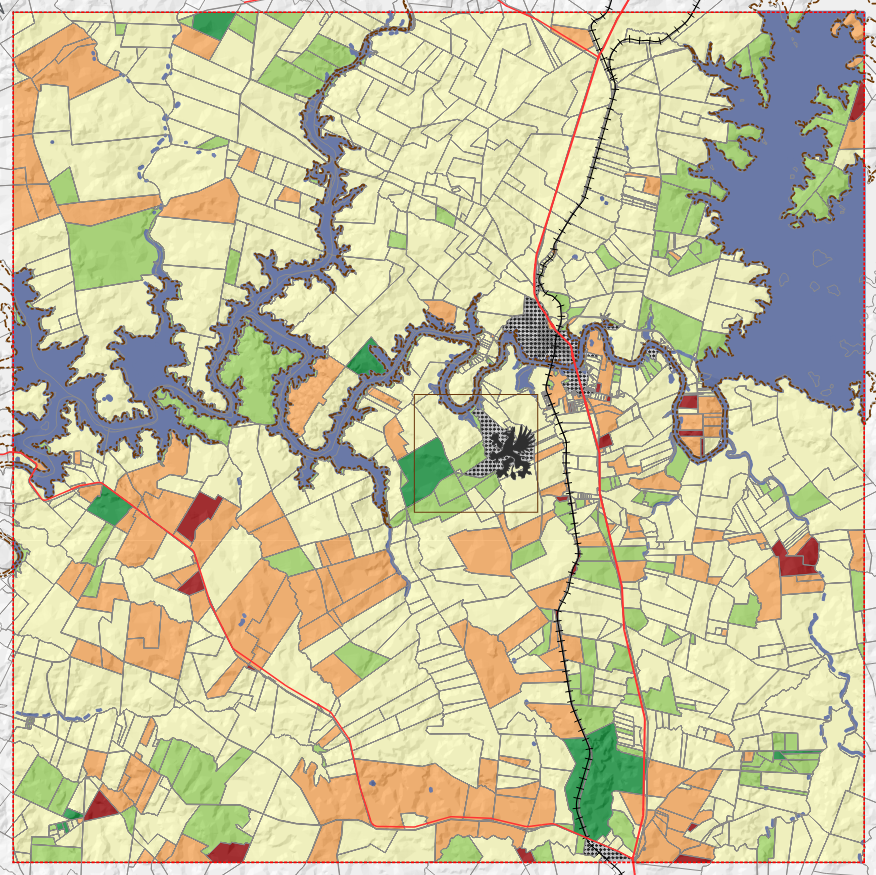
In 2023, a large pulp mill was inaugurated in the central region of Uruguay. As the third of its type and capable to produce more than 2 million tons of eucalyptus pulp per year, it required an investment of almost 3.5 billion dollars.

The project, in addition to the plant, included the construction of a specialized terminal in the port, the reconstruction of the largest train line in the country and various initiatives that have fostered the development of a very large business ecosystem. All these changes date back more than thirty years ago, when the foundations for forestry development were laid through a law that has radically transformed Uruguay's productive matrix. Nowadays there are more than one million hectares planted, and the sector is responsible for more than 3.5% of the national GDP.
The company responsible, UPM, states that its plant is "one of the most competitive and sustainable worldwide." However, its implementation is not without criticism; the high impact on natural resources, water, soil and changes in coverage are especially questioned. In this context, the objective study of changes in the territory acquires particular importance.
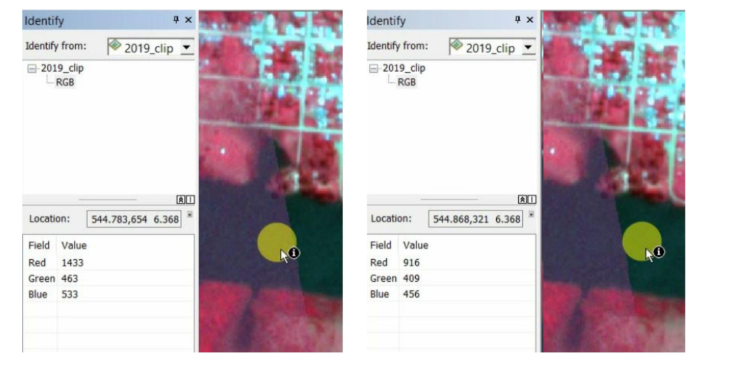
This work focuses on generating maps that represent and quantify these changes around the plant. To carry it out, data from various sources, mainly satellite images and cadastral data, was processed using a number of technologies and applications.
This detailed study was carried out by Cecilia González and Silvia Rodríguez as a degree project, and earned them the highest grade in their cartographer qualification from the Facultad de Ingeniería of Universidad de la República (Uruguay).